Bear Safety Case Study Highlights Safety Awareness in Mixed MHE Environments
In many logistics, manufacturing and industrial environments, pedestrian safety is becoming more complex.
Sites are no longer only managing traditional forklift movements. Many are now also working around autonomous material handling equipment, busy pedestrian routes and changing operational zones. This creates a clear challenge: how do you keep safety warnings visible and effective in areas people pass through every day?
Bear Safety’s latest case study with Yusen Logistics looks at this issue in a real operational setting.
At Yusen Logistics’ Wellingborough site, pedestrians move between office and warehouse areas where manned and autonomous MHE operate. The project focused on reinforcing spatial awareness at these key transition points and helping personnel recognise when they are entering higher-risk areas.
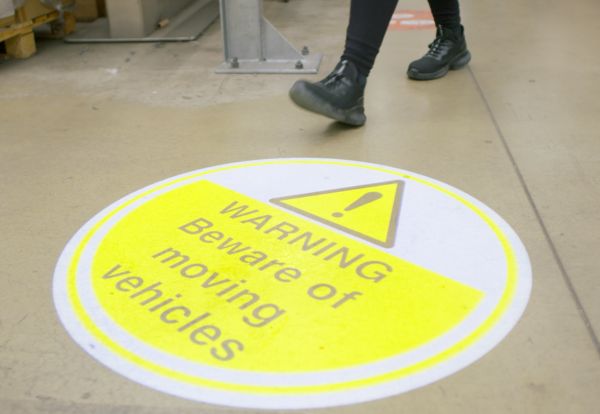
Bear Safety addressed this by supplying a projected signage system designed to place clear visual warnings directly into the working environment. The aim was to support hazard perception and help reduce the effects of sign blindness, where static safety signs can become less noticeable over time.
For organisations managing busy warehouse, manufacturing or logistics spaces, the challenge will feel familiar: how to make safety messages stand out in facilities where people, vehicles and automation often share the same space.
Read the full case study and watch the testimonial video here: Full Bear Safety Case Study
The full case study also includes a testimonial video from Yusen Logistics, sharing more about the project and the role projected signage played on site.